By Kwabena Lindqvist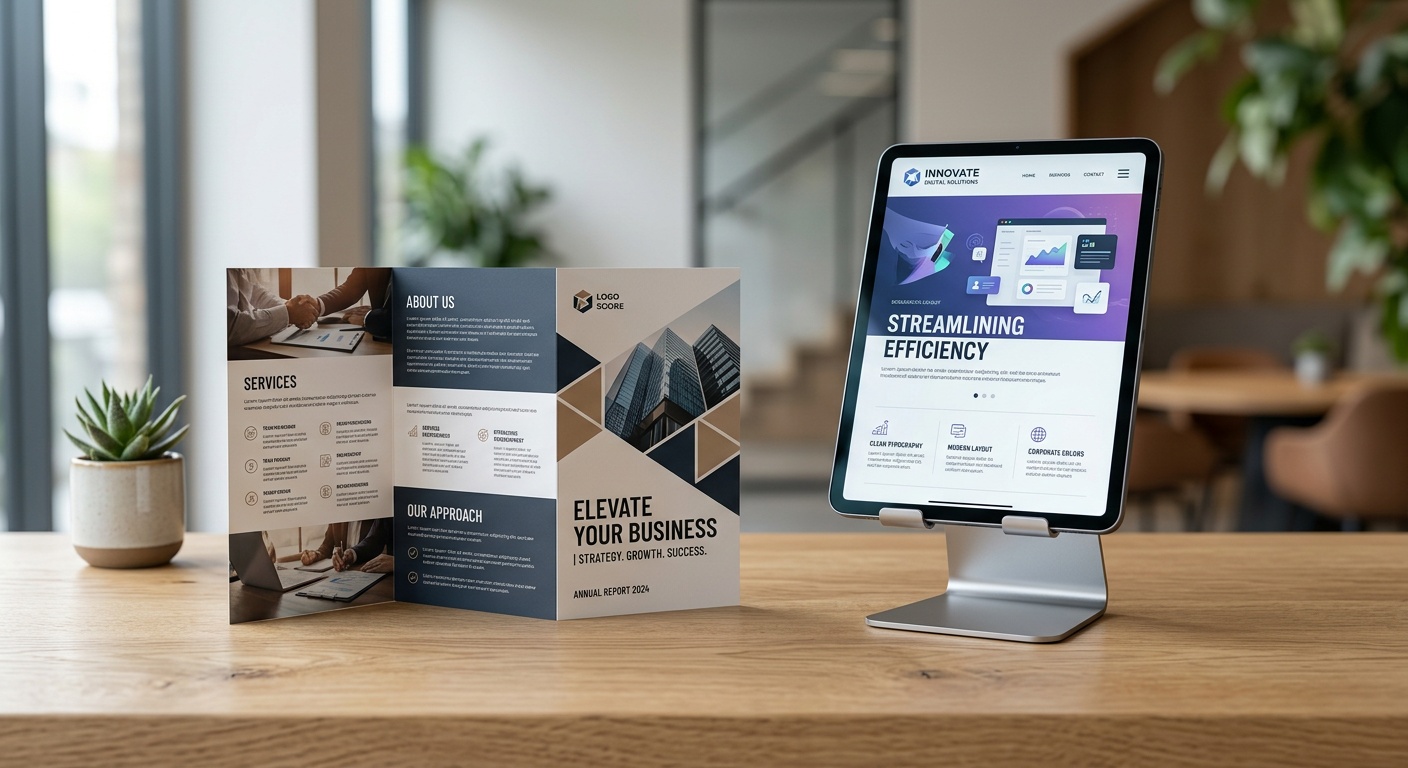
Combining Print And Digital Collateral For Property Developer Campaigns
Reading time: 8 minutes
Here’s a scenario every property marketer knows too well: you’ve poured budget into a gorgeous digital campaign—retargeting ads, drone footage, a slick microsite—yet walk-in traffic at the sales gallery is flat. Meanwhile, a competitor down the road is handing out printed brochures at a community fair and closing deals within the week. What gives?
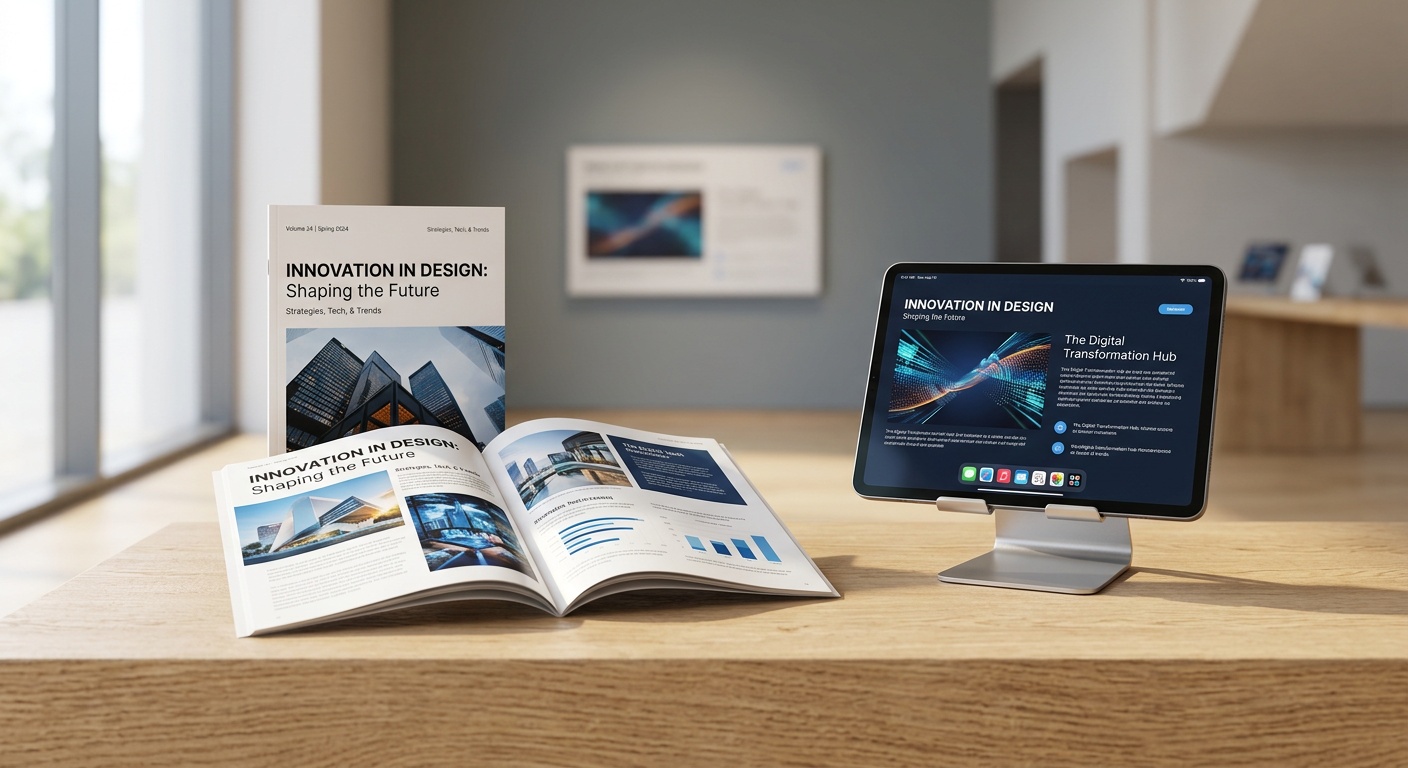
The truth is, in 2026, property buyers don’t choose between print and digital—they move fluidly between both. A homebuyer might flip through a glossy lookbook at a show unit, then scan a QR code to watch a virtual walkthrough that night. Developers who treat these channels as separate silos are leaving conversions on the table.
Table of Contents
- Why Hybrid Collateral Wins in 2026
- The Core Building Blocks of a Hybrid Campaign
- Case Studies: Real Campaigns, Real Numbers
- Print vs Digital: A Side-by-Side Comparison
- Common Challenges and How to Solve Them
- FAQs
- Your Roadmap Forward
Why Hybrid Collateral Wins in 2026
Property purchases remain one of the most emotionally weighted decisions a buyer makes. According to a 2026 survey by the National Association of Realtors Research Group, 68% of prospective buyers said they trust printed materials more when evaluating high-value purchases, yet 81% of the same respondents researched the development online before ever contacting a sales agent. That’s not a contradiction—it’s a buyer journey that spans both mediums.
As real estate strategist Priya Shah put it during a recent PropTech panel: “Print builds credibility. Digital builds momentum. A campaign that only has one is running on half its engine.”
The Psychology Behind the Mix
Physical brochures and site plans trigger a sense of permanence and investment-worthiness—something that matters when you’re asking someone to commit hundreds of thousands of dollars. Digital, on the other hand, satisfies the need for immediacy: instant price updates, live inventory, and virtual tours that let buyers “visit” a property from another city or country.
Where the Two Channels Intersect
The magic happens at the intersection points—QR codes on hoardings that lead to floor plan configurators, NFC-enabled show unit signage that pulls up financing calculators, or direct mail pieces personalized with dynamic URLs. These touchpoints turn passive print into measurable, trackable digital actions without sacrificing the tactile trust factor.
The Core Building Blocks of a Hybrid Campaign
Building an integrated campaign isn’t about slapping a QR code on every flyer. It requires intentional sequencing. Here’s a practical roadmap:
- Awareness Stage: Outdoor billboards and local print ads paired with geo-targeted social ads covering the same launch messaging.
- Consideration Stage: Direct mail brochures with embedded AR triggers that launch a 3D unit walkthrough on a smartphone.
- Decision Stage: In-gallery printed collateral (site plans, payment schemes) supported by tablet kiosks for live customization and instant e-signing.
- Retention Stage: Post-purchase welcome packs in print, followed by a digital community portal for handover updates.
Practical Tip: Print with a Digital Hook
Every printed asset should have a clear next digital action—a scannable code, a short URL, or a personalized PIN. Avoid generic “visit our website” calls; instead, direct to a specific landing page tied to that exact brochure batch so you can measure attribution.
Case Studies: Real Campaigns, Real Numbers
Consider Meridian Heights, a mixed-use development launched in early 2026 in a mid-sized US metro. The developer combined a direct mail drop of 12,000 premium brochures with AR-enabled cover pages and a synchronized programmatic ad push. Result: a 34% increase in qualified showroom appointments compared to their previous digital-only launch, and the cost per qualified lead dropped by 19%.
In Southeast Asia, Riverfront Residences took a different approach—distributing printed lookbooks exclusively through referral partners while running a parallel WhatsApp-based digital concierge service. Within three months, referral-driven print collateral accounted for 41% of total bookings, proving that print still carries outsized influence in relationship-driven markets.
A smaller boutique developer, Harborview Lofts, tested a “print-first, digital-retarget” model: attendees at an open house received physical postcards with unique tracking codes, which triggered personalized email and social retargeting sequences for 30 days after the event. This lifted their close rate by 22% versus a control group that received no follow-up print.
Print vs Digital: A Side-by-Side Comparison
| Metric | Print Collateral | Digital Collateral |
|---|---|---|
| Average Trust Score (2026 survey) | 7.8 / 10 | 6.1 / 10 |
| Cost per 1,000 Impressions | $180–$260 | $25–$60 |
| Attribution Accuracy | Low without codes | High (real-time tracking) |
| Shelf Life / Engagement Window | Weeks to months | Seconds to minutes |
| Best Use Stage | Consideration, Decision | Awareness, Retargeting |
Visualizing Buyer Channel Preference
Below is a simplified breakdown of which channel buyers said most influenced their final decision, based on aggregated 2026 developer survey data.
Common Challenges and How to Solve Them
Challenge 1: Fragmented Attribution
Many developers still can’t tell which brochure or postcard actually drove a sale. The fix: use unique, batch-specific QR codes or vanity URLs for every print run, and route all clicks through a CRM that tags the source. Without this, you’re marketing blind.
Challenge 2: Inconsistent Messaging Across Formats
It’s surprisingly common for a printed brochure to advertise pricing that’s already outdated on the website. Solve this by centralizing content in a single asset management system that pushes updates to both print production queues and digital platforms simultaneously.
Challenge 3: Budget Allocation Guesswork
Marketing teams often default to a 70/30 digital-to-print split simply out of habit, not data. Instead, run a small pilot—split your next campaign 50/50 across two comparable unit blocks, track cost-per-lead and cost-per-close for each, then reallocate budget based on actual performance rather than assumption.
Pro Tip: Don’t discard print collateral after the campaign ends. Repurpose site plans and brochures into leave-behinds for real estate agents and mortgage brokers—these secondary distribution channels often convert at higher rates than first-touch marketing.
FAQs
Do smaller developers really need both print and digital, or can they pick one?
Smaller developers with tighter budgets can lean digital-first for awareness, but skipping print entirely at the decision stage often costs more in lost trust than it saves. Even a modest, well-designed printed site plan handed out at the sales gallery can meaningfully boost close rates.
How do I measure ROI on printed materials specifically?
Assign trackable elements—unique QR codes, personalized URLs, or promo codes—to every print batch. Compare the cost of production and distribution against leads and closings attributed to those specific codes. Over two or three campaigns, you’ll build a reliable benchmark.
What’s the ideal ratio of print to digital spend in 2026?
There’s no universal answer, but most successful mid-size developer campaigns in 2026 are landing between 25-35% print and 65-75% digital, with print concentrated at the consideration and decision stages rather than broad awareness. Test and adjust based on your specific market and buyer demographic.
Your Roadmap Forward
Combining print and digital isn’t a nostalgic nod to “the old ways”—it’s a data-backed strategy that mirrors how real buyers actually behave in 2026. As virtual reality tours and AI-personalized digital ads become table stakes, the developers who stand out will be the ones who still hand a buyer something tangible to hold onto, literally and figuratively.
- Audit your current collateral and identify every printed piece that lacks a trackable digital next step.
- Pilot a 50/50 budget split on your next launch to gather real attribution data instead of relying on industry defaults.
- Centralize your content so pricing and unit availability stay consistent across brochures, websites, and sales apps.
- Repurpose printed assets through agent and broker networks for secondary conversions.
- Review quarterly and shift spend toward whichever channel is genuinely producing qualified appointments, not just impressions.
So, the next time you’re planning a launch, ask yourself: is your campaign speaking to how buyers actually search and decide today, or is it stuck defending one channel out of habit? The developments winning in 2026 are the ones bridging that gap—are you ready to build yours?